


$12.8M
Pomona wrongful death settlement: a worker riding home in a company vehicle died when another driver rear-ended it on the 10 Freeway, leaving a spouse and four children.
Personal Injury
Did a commercial truck crash take someone you love? At Wilshire Law Firm — an award-winning, nationally recognized team — we help California families pursue justice and full compensation in these complex wrongful death cases. Talk with a legal professional 24/7 in a free case review — there are no fees unless you get paid.
Explore essential resources on your rights, your options, and what to expect — everything you need to navigate the legal process, all in one place.
Nationally Recognized Powerhouse, Fighting for the Justice You Deserve
Our award-winning attorneys have recovered billions for clients while taking on insurance companies and major corporations.
1 of 12
 Colin M. Jones, Esq.Senior Partner and Senior Trial Attorney, Chair of the Personal Injury Litigation Department
 Jennifer P. Burkes, Esq.Senior Partner & Strategic Advisor, Personal Injury Litigation Department
 Mary Lee Caruso, Esq.Senior Partner
 Ryan Casey, Esq.Senior Partner and Trial Attorney
 Tae-Yoon Kim, Esq.Senior Partner
 Philip Andonian, Esq.Partner and Trial Attorney
 Alivia E. Abreu, Esq.Partner
 Shervin G. Ghanoongooi, Esq.Partner
 Christopher Goodroe, Esq.Partner
 Nathan A. Guest, Esq.Partner and Trial Attorney
 Brian M. Jacobson, Esq.Partner
 Ariella Perry, Esq.Partner
1 of 48
$12.8M
Pomona wrongful death settlement: a worker riding home in a company vehicle died when another driver rear-ended it on the 10 Freeway, leaving a spouse and four children.
$11.3M
Pomona truck accident settlement: a big rig hit a stopped vehicle on the freeway as a driver checked on it, causing serious head and leg injuries.
$11.0M
California truck accident settlement: a tow truck lost control, crossed three highway lanes and rear-ended a driver, causing a traumatic brain injury and other serious injuries.
$10.5M
Sonoma County truck accident settlement: a big rig rear-ended a driver, pushing the car into a second big rig and causing serious injuries.
$10.3M
Los Angeles wrongful death settlement: a truck struck a motorcyclist who lost control on a lifted trench plate. The rider died, and the claims cited missing warning signs.
$9.1M
Pasadena wrongful death settlement: a company work truck turning left hit a pedestrian at high speed in a crosswalk. The pedestrian died.
$5.0M
Ontario wrongful death settlement: a commercial truck clipped a cyclist at a freeway exit. The rider hit his head in the fall and died about a week later.
$5.0M
San Diego County truck accident settlement: a car-carrier truck rear-ended a driver on Interstate 5 and pushed the car about half a mile, causing neck and back pain.
$3.5M
Riverside County truck accident settlement: a big rig carrying a sleeping occupant hit a semi whose trailer allegedly lacked working lights, causing serious neck and back injuries.
$3.3M
Pasadena wrongful death settlement: a person died outside a convenience store, and the family brought claims. Defendants included the store chain and a security company.
$3.2M
Los Angeles wrongful death settlement: a produce delivery worker fell from atop pallets while unloading a truck into a warehouse cooler and died two days later.
$3.0M
Hesperia truck accident settlement: a big rig and a car collided during a left turn, leaving an occupant of the car with head and arm injuries.
$3.0M
Los Angeles County truck accident settlement: a big rig rear-ended a stopped driver on the 405 and pushed the car into the vehicle ahead, causing head and leg injuries.
$3.0M
California truck accident settlement: a crane truck working on a highway pulled out and struck the rear of a work pickup, injuring a passenger's neck, back and arm.
$2.9M
Lompoc wrongful death settlement: a driver at a stop sign pulled into traffic without seeing a motorcyclist and struck the rider, who died at the scene.
$2.9M
Chula Vista truck accident settlement: a hydroplaning big rig sideswiped a vehicle and pushed it into a rail, leaving an occupant with neck, back, arm and hip pain.
$2.8M
Anaheim truck accident settlement: a big rig rear-ended a driver braking hard for a crash ahead on the 5 Freeway, causing neck and back pain and missed work.
$2.8M
Los Angeles truck accident settlement: a sleeping truck driver rear-ended a motorist at high speed on the 60 Freeway, worsening neck and back injuries from an earlier crash.
$2.8M
Poway truck accident settlement: a commercial delivery van turning left across traffic struck a family car, leaving an occupant with neck, upper back and lower back injuries.
$2.8M
California truck accident settlement: a box truck driver fell asleep and hit a lamp post and a building, leaving a passenger with burn injuries and a serious leg injury.
$2.6M
King City truck accident settlement: a big rig swerved on a two-lane road to miss a piece of metal and hit a driver head-on, causing serious injuries.
$2.6M
Hawthorne truck accident settlement: a speeding package-delivery truck rear-ended a driver waiting to turn right, causing neck, back and arm pain and aggravating an earlier arm condition.
$2.6M
Anaheim truck accident settlement: a package-delivery truck struck a driver pulling out of a parking lot, adding back and neck pain to an existing work injury.
$2.5M
Sacramento truck accident settlement: a hazardous-waste big rig merged into a rideshare driver's car on Highway 99, spinning it around and causing serious neck and back injuries.
$2.5M
Gardena truck accident settlement: a rear-end crash with a box truck sent a car occupant to the hospital with neck, leg and other injuries.
$2.4M
Hayward truck accident settlement: a big rig rear-ended a driver stopped at a red light and totaled the car, causing a serious neck injury and severe back pain.
$2.3M
Stockton truck accident settlement: a big rig set off a three-vehicle rear-end crash that struck a pickup, leaving its driver with neck and leg pain.
$2.3M
Fresno County wrongful death settlement: a rental moving truck hit a driver head-on on a two-lane highway. The driver died within hours of the crash.
$2.3M
California truck accident settlement: a lawn-service truck broadsided a pickup, leaving the pickup's driver with arm and back injuries, dizziness and trouble speaking.
$2.3M
California truck accident settlement: a rear-end crash between two semis left a truck occupant with a traumatic head injury and a neck strain.
$2.3M
Los Angeles wrongful death settlement: loose sand collapsed on a worker digging an unprotected excavation at a jobsite. The worker died, leaving a spouse and two children.
$2.3M
Merced County truck accident settlement: a big rig's trailer rear-ended a driver stopped in traffic near Interstate 5. The driver reported head pain right after the crash.
$2.0M
Los Angeles wrongful death settlement: a person died inside a retail business, and the surviving family brought a wrongful death claim over the loss.
$2.0M
Kern County truck accident settlement: a weaving big rig sideswiped a driver on Interstate 5, overturning the car and causing serious back and other injuries.
$2.0M
Orange County truck accident settlement: a big rig driver crashed while avoiding people from an earlier wreck, suffering a brain injury. Defendants included an individual and a restaurant franchise.
$2.0M
California truck accident settlement: an out-of-control tow truck rear-ended a big rig, causing major damage and leaving the rig's driver with back and neck pain.
$2.0M
California truck accident settlement: a truck rear-ended a car traveling straight ahead, and its driver had neck and back pain with nausea and dizziness.
$1.8M
East Los Angeles truck accident settlement: a flatbed truck avoiding traffic on the 60 Freeway swerved into a car, leaving an occupant with neck, back and hip pain.
$1.5M
Hesperia truck accident settlement: a big rig ran a red light and struck a turning driver head-on, causing neck and back injuries.
$1.0M
Kern County truck accident settlement: a big rig coming off the 5 Freeway failed to stop and collided with a driver, causing serious leg injuries.
$990K
Bakersfield truck accident settlement: a big rig rear-ended and side-struck a driver's vehicle at a red light, causing a brain injury and serious neck and other injuries.
$840K
Los Angeles truck accident settlement: a big rig rushing a turn hit and dragged a stopped car, leaving its driver with leg pain, shock and anxiety.
$625K
Visalia truck accident settlement: a big rig unable to complete a turn at a four-way stop reversed into a car, leaving its driver with a soft-tissue neck strain.
$530K
Imperial County truck accident settlement: a commercial work truck speeding against traffic on a residential street struck a car, leaving its driver with neck and upper back pain.
$400K
Santa Maria wrongful death settlement: a resident receiving post-acute care at a skilled nursing facility had serious medical complications and repeated hospital transfers before dying.
$365K
Los Angeles County truck accident settlement: a big rig sideswiped a driver on the 10 Freeway, forcing the car into the wall and causing neck and upper back soreness.
$267K
Los Angeles County wrongful death settlement: a vehicle struck a pedestrian, who suffered a serious head injury and other serious injuries, then died. The defendant was a public entity.
$263K
Los Angeles County truck accident settlement: a freight carrier's vehicle reversed into a driver leaving a parking spot, causing a serious injury as well as neck and back pain.
*Past results do not guarantee similar outcomes. Each case is unique and evaluated on its own facts.
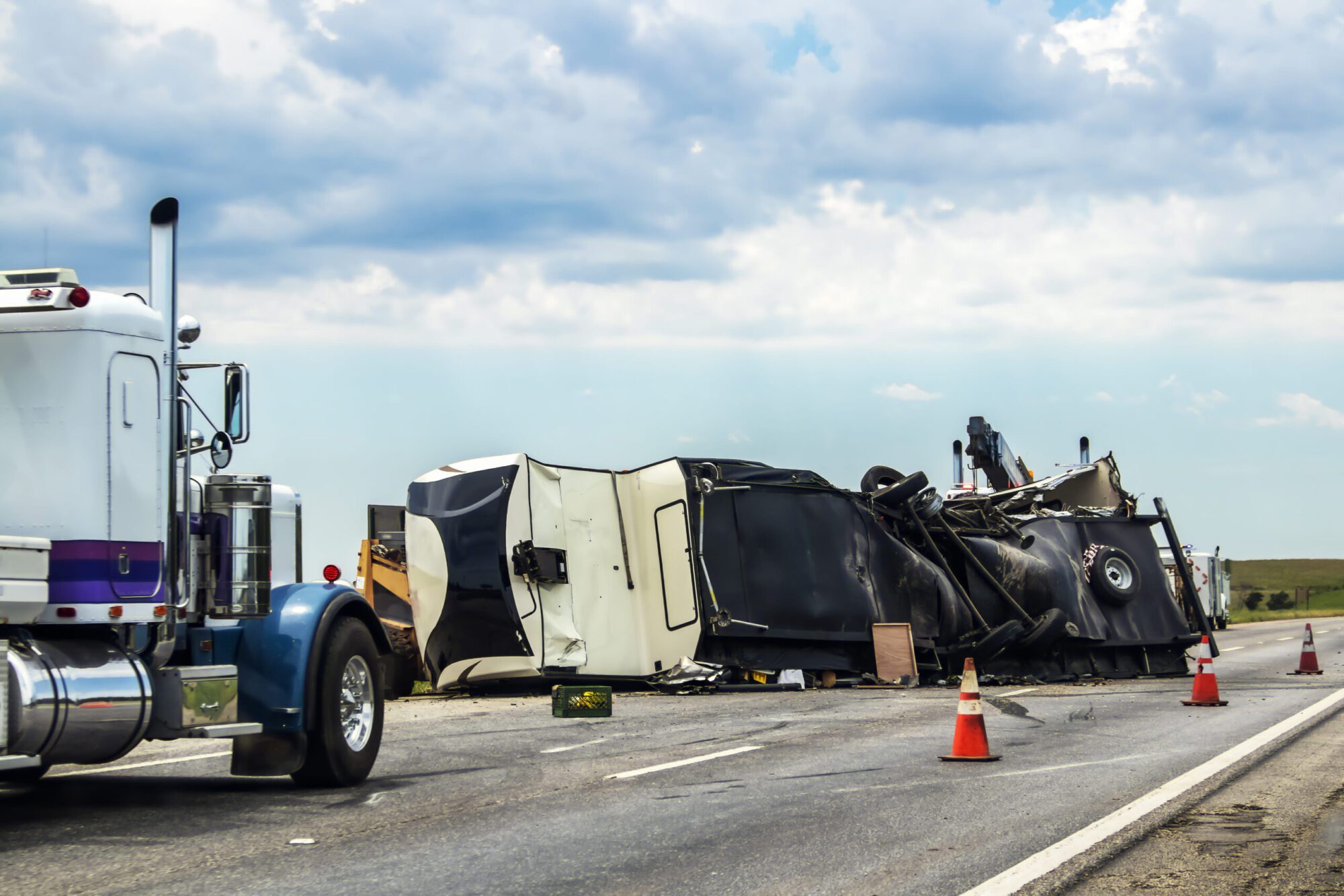
Who Is Liable in a Fatal Truck Accident in California?


We'll contact you within minutes
No fees unless you get paid.
Record-breaking results
Our attorneys have recovered billions of dollars, including some of the biggest settlements in California.
17#1 Settlements in California, 2022–2024*
TopVerdict #1TopVerdict.com #1 settlements
1 of 17
#1 Truck v. Pedestrian Accident Settlement
2024
#1 Multi-Vehicle Accident Settlement
2024
#1 Equipment Malfunction Settlement
2024
#1 Car v. Stationary Object Collision Settlement
2024
#1 Bus v. Passenger Accident Settlement
2024

#1 Whistleblower Retaliation Settlement
2023

#1 Underinsured Motorist Settlement
2023

#1 Slip & Fall Accident Settlement
2023

#1 Negligent Security Settlement
2023
#1 Ladder Accident Settlement
2023

#1 Hotel Premises Liability Settlement
2023
#1 Car v. Car Collision Settlement
2023
#1 Bicycle Accident Settlement
2023

#1 Pregnancy Discrimination Settlement
2022

#1 Age/Disability Discrimination Settlement
2022
#1 Wrongful Termination Settlement
2022
#1 Meal & Rest Breaks Settlement
2022
*#1 settlements in California have been awarded by TopVerdict.com. Past results do not guarantee similar outcomes.
Our Most Frequently Asked Questions
We've answered the most common ones below. If yours isn't here, call us — we're available 24/7.
Locations
Find your nearest office — serving all of California and employment clients in Oregon and Washington.
Appointments required for office visitsCall 213-754-1375 to schedule